Understand cancer. Navigate care.
Clear, compassionate information about cancer, prevention, diagnosis, treatment, research and daily life—for patients, families and caregivers.

One clear path through complex information.
Choose the topic that matches the question in front of you today.
Understanding cancer
How cancer begins, how tumors form, and what spread or metastasis means.
Cancer types
A plain-language guide to common solid tumors, blood cancers and childhood cancers.
Risk & prevention
Modifiable and non-modifiable risks, vaccines, screening and healthier choices.
Symptoms & diagnosis
Warning signs, appointments, tests, pathology reports, staging and second opinions.
Treatment options
Surgery, radiation, medicines, precision therapies and supportive care.
Research & trials
How clinical trials work, participant protections and questions to ask.
Living with cancer
Side effects, emotional health, finances, caregiving and survivorship.
Patient journeys
Educational composite stories showing how care may unfold. No real patient records are used.
Trusted resources
Authoritative cancer information, helplines, trial search and practical support.
See what treatment and support can look like.
Understanding the environment, the people and the process can make the next step feel more familiar.

Understanding a diagnosis
Pathology, imaging, staging and biomarkers help the care team build a plan.

Chemotherapy care
What infusion visits may involve and how side effects are monitored.
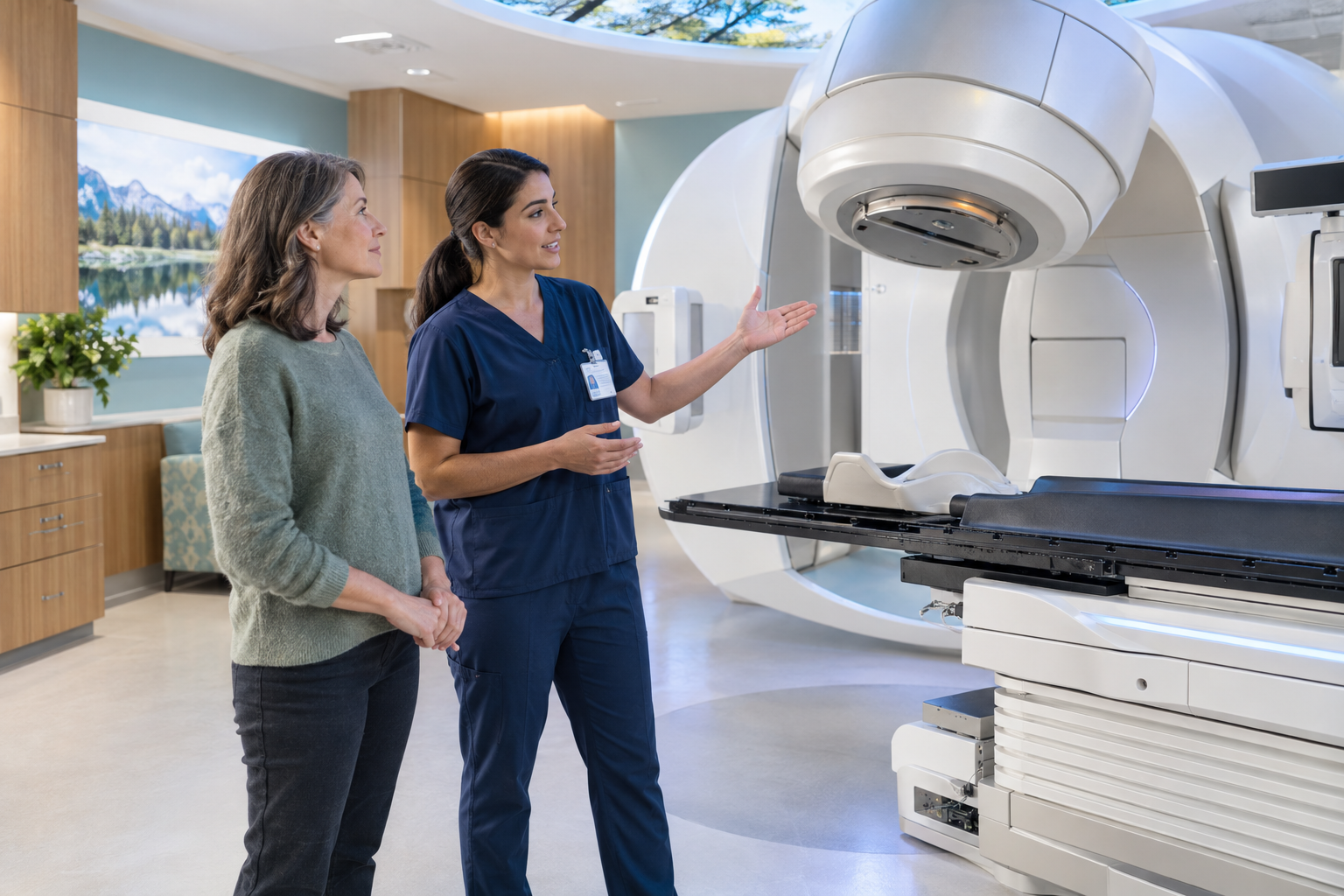
Radiation therapy
How treatment is planned and delivered to a precise area of the body.

Every advance begins with a question.
Research studies prevention, early detection, tumor biology, biomarkers, treatment response, quality of life and health equity. Clinical trials turn promising ideas into evidence.
Every month brings a reason to learn, screen and support.
Observances can vary by organization and country. These representative themes help our community keep prevention, early detection and support in view all year.
Cervical cancer
HPV vaccination and recommended screening can prevent many cases or find changes early.
Colorectal cancer
Screening can find precancerous polyps and cancer before symptoms develop.
Skin & brain cancers
Learn skin warning signs, sun protection and why persistent neurologic changes need evaluation.
Survivorship
Honor survivors while focusing on follow-up care, late effects and quality of life.
Childhood, blood, ovarian & prostate cancers
A major awareness month for several cancer communities and their caregivers.
Breast cancer
Know your risk, discuss screening and seek evaluation for persistent breast changes.
Lung, pancreatic & stomach cancers
Tobacco prevention, symptom awareness and research remain central themes.
Caregiver support
Caregivers need reliable information, practical assistance and care for their own health.
Current spotlight — September: Use this month to learn family history, review age- and risk-appropriate screening conversations, and support families affected by childhood, ovarian, prostate and blood cancers.
Information should feel human.
Medical facts matter. So do transportation, finances, family responsibilities, nutrition, pain, fertility, mental health, faith and the ability to ask questions.